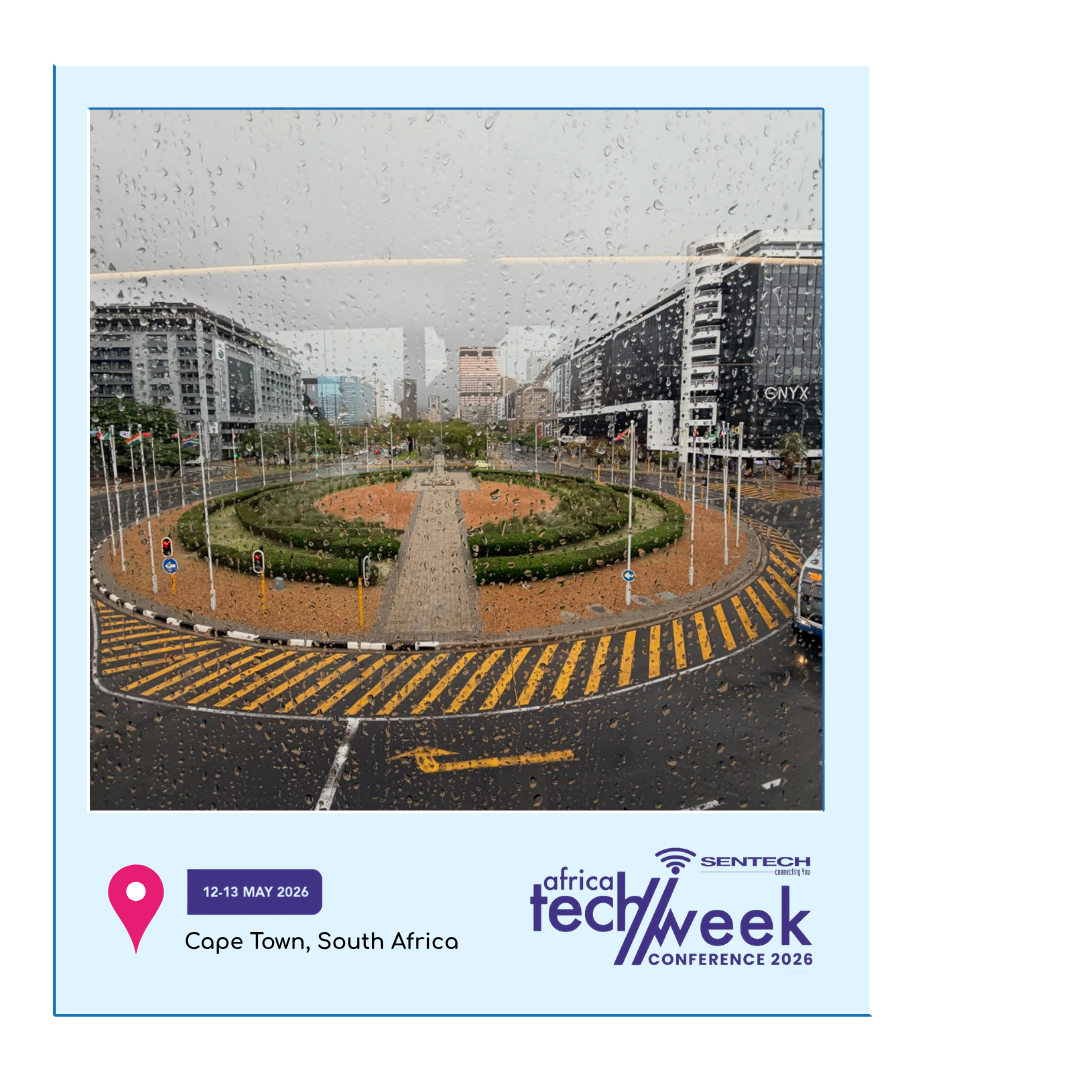
Last week, Cape Town hosted Africa Tech Week 2026 – one of the more interesting snapshots of where African business and technology are heading right now.
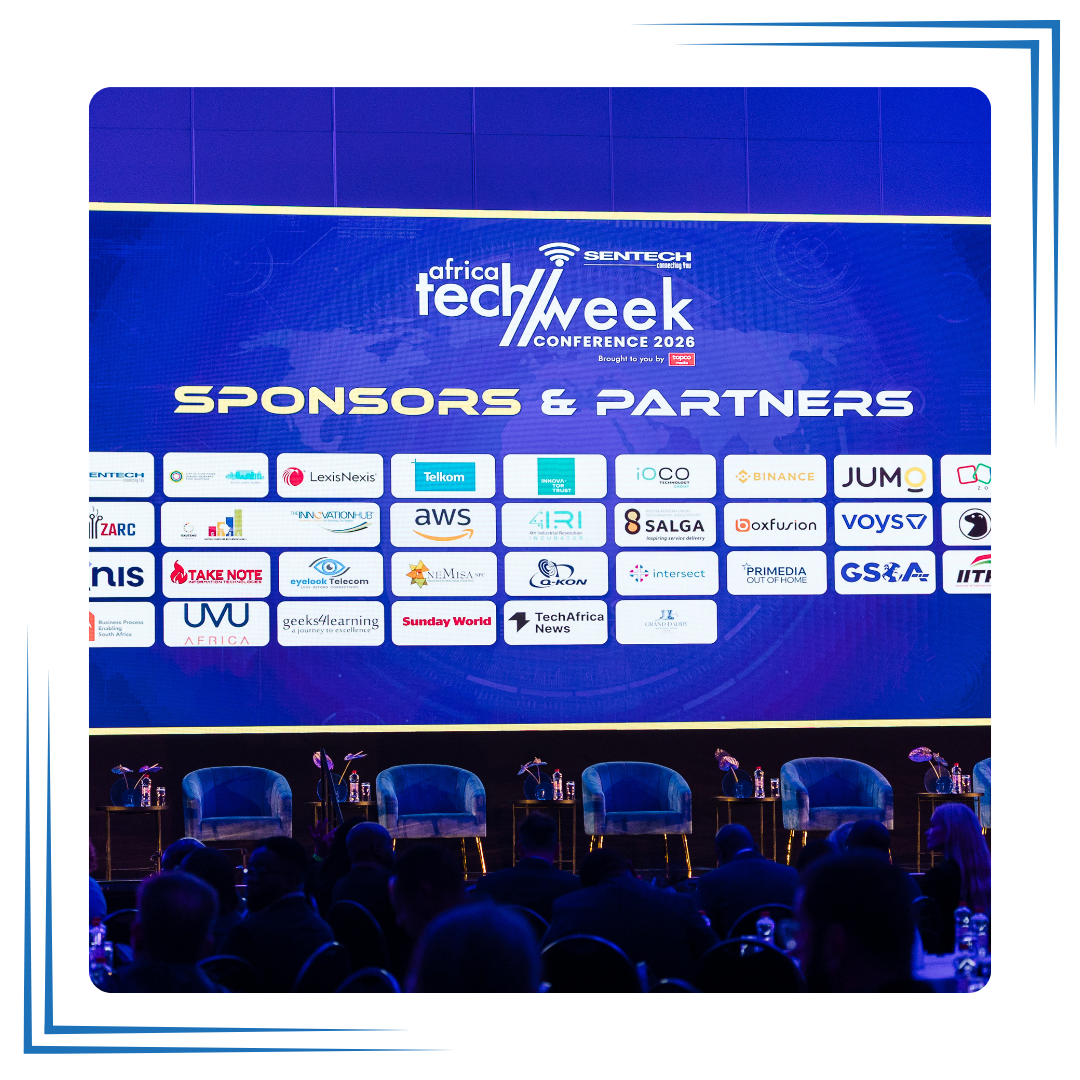
As a Bronze Sponsor at , the Intersect team spent two days inside conversations that stretched across AI, infrastructure, cybersecurity, venture capital, digital transformation, regulation, operational scalability and the future of African innovation. But despite the breadth of the discussions taking place, there was an underlying thread connecting almost all of them.
Complexity.
Not theoretical complexity. Operational complexity.
Africa Tech Week Showed Why Businesses Need Better Visibility Across Operations
The reality that modern businesses now operate across increasingly fragmented systems, providers, workflows, regulations and data environments, while still being expected to move faster than ever before.
That tension could be felt everywhere at the event. The conversations were not centred around whether digital transformation is coming to Africa. That question feels largely answered already. The discussion has matured considerably. Businesses are now trying to figure out how to operationalise transformation properly, how to introduce AI into real workflows without creating chaos, how to modernise legacy operational processes without breaking continuity, and how to create visibility across organisations that have become increasingly interconnected over the last few years.
That shift in conversation is important because it signals a broader market maturity. A few years ago, most technology conferences still revolved heavily around possibility. This year felt noticeably more grounded. The conversations were less about futuristic concepts and far more about implementation, governance, coordination and execution.
And honestly, that aligns closely with what we are seeing ourselves across the Intersect ecosystem.
One of the biggest misconceptions in business software right now is that companies have a technology shortage. In reality, most businesses already have more software than they know what to do with. They have accounting platforms, payroll systems, HR software, cloud storage, communication tools, outsourced providers, regulatory portals and disconnected internal processes all operating simultaneously. The problem is usually not the absence of software. The problem is that the business itself has become fragmented across too many moving parts that were never designed to work together cohesively.
As organisations grow, that fragmentation becomes increasingly difficult to manage. Directors sit in multiple jurisdictions. Shareholding structures become more layered. Compliance obligations expand. Information becomes duplicated across departments and providers. Operational accountability becomes harder to track. Businesses often end up spending enormous amounts of time trying to coordinate information between systems instead of focusing on actual decision-making.
That broader operational pressure was visible throughout Africa Tech Week.
AI was naturally one of the dominant topics at the conference, but even there, the tone has evolved quite significantly. The market is moving beyond curiosity and into practical application. Businesses are no longer simply asking what AI can theoretically do. They are asking how it integrates into existing operational environments, how it improves efficiency without introducing new risk, how it affects governance and accountability, and how it fits into real-world workflows that already contain complexity.
That distinction matters.
Because the next phase of African business software probably will not be won by the companies making the loudest promises. It will likely be won by the companies that reduce operational friction most effectively.
That is one of the reasons Intersect continues to think about compliance differently.
Historically, compliance has often been treated as a disconnected administrative exercise sitting somewhere between an accountant, a company secretary, an inbox and a government portal. But as businesses become more interconnected and more regulated, compliance itself increasingly starts behaving like infrastructure. It influences funding processes, shareholder management, director changes, tender applications, risk management, information governance and cross-border operational visibility.
In other words, it stops being “admin” and starts becoming part of the operating layer of the business itself.
That shift changes the way software needs to be designed.
The future probably does not look like businesses managing dozens of isolated forms and disconnected processes. It looks more like operational visibility layers that allow organisations to understand what is happening across their structures, responsibilities and regulatory obligations in real time.
That direction feels increasingly relevant across accounting firms, fund managers, multi-entity groups, professional services firms and fast-scaling startups, particularly as business owners themselves become more aware that outsourcing responsibility does not necessarily mean outsourcing risk.
A business may have accountants, legal advisors, payroll providers and compliance officers involved, but if operational visibility remains fragmented, the leadership team still carries the consequences of not knowing what is happening underneath the surface.
That is ultimately why events like Africa Tech Week are valuable.
They create perspective.
Africa Tech Week 2026 Reinforced Why Compliance Is Becoming Infrastructure
When you spend most of your time deep inside product development, customer support, feature planning, deployment cycles and operational problem-solving, it becomes easy to think only within your own environment. Conferences like this pull the lens back and reconnect you to the larger shifts taking place across the continent.
And right now, Africa’s digital economy feels far more mature than many people still assume.
The conversations around infrastructure are sharper. The conversations around AI are more practical. The operational discussions are more sophisticated. Businesses are asking better questions. Investors are looking for stronger execution. Founders are thinking more carefully about scalability, governance and operational resilience.
There is still an enormous opportunity ahead, but there is also a growing recognition that sustainable growth requires systems capable of handling complexity properly.
For Intersect, that remains a central part of what we are building toward.
Not simply helping businesses “do compliance”, but creating visibility and flow between the operational intersections modern organisations rely on every day.
And after spending last week inside the conversations shaping Africa’s digital future, that direction feels more relevant than ever.